
20+
Years in Service
Our Vision & Mission
Here are some of the things you should know about us
The African Institute of Corporate Citizenship (AICC) is a non-governmental organisation established in 2001 in South Africa, with the Malawi office opening in 2005.
AICC operates on a partnership model and has been involved in projects across South Africa, Malawi, Botswana, Lesotho, Mozambique, Namibia, Nigeria, Zambia, and Zimbabwe — promoting the role of business in sustainable development, corporate citizenship, and community resilience.
- Community-led initiatives
- Gender-responsive programming
- Private sector partnerships
- Smallholder farmer support
- Value chain development
- Pan-African outreach
To be a corporate citizenship centre of excellence in building resilient communities and sustainable businesses.
- Corporate citizenship excellence
- Resilient community building
- Sustainable business development
- Pan-African leadership
To promote and build resilient communities and sustainable businesses through partnership.
Our mandate is the same — we promote and build resilient communities and sustainable businesses through meaningful partnerships across the public and private sectors, civil society, and development organisations.
- Multi-stakeholder partnerships
- Private sector engagement
- Community resilience programmes
- Sustainable livelihoods
The following are core values that will be passionately shared and upheld by AICC Africa's stakeholders.
- Integrity
- Hard Work
- Diligence
- Wisdom
- Impartiality
- Team Spirit
AICC Africa has left a mark — a legacy of policy advocacy around corporate citizenship that is still evident today.
This legacy continues to be active in the work of individuals it has changed through their engagement with its programmes, or as a result of actively being involved in the delivery of its programmes across Malawi and the broader African region.
- 2,000+ jobs created
- 20+ years of service
- African countries reached
- 12+ active programmes
What We Do
Our Programmes
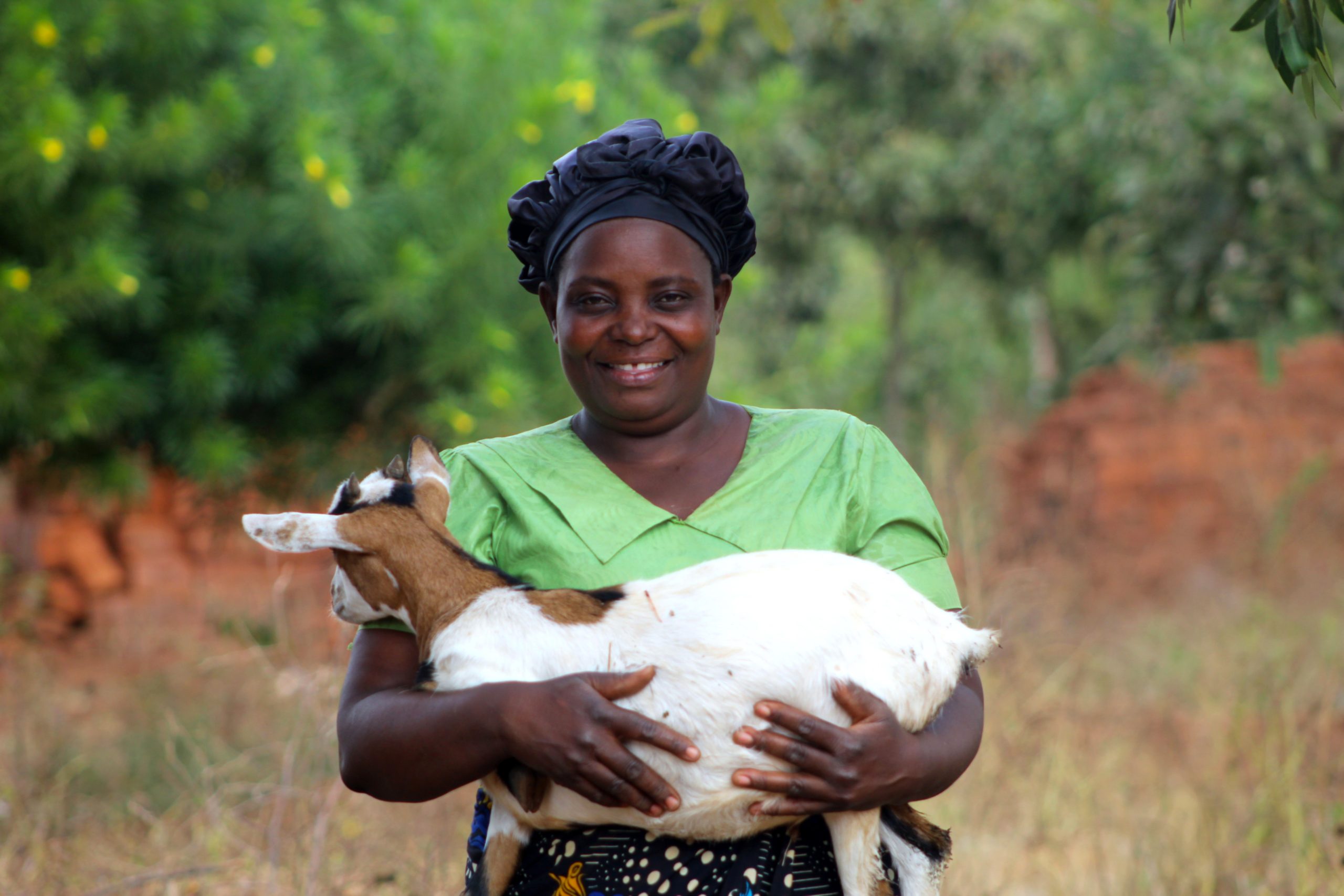
Through targeted, community-led initiatives, AICC Africa partners with smallholder farmers, women, youth, and businesses to build resilient livelihoods and sustainable enterprises across Malawi and Africa.
Poverty Graduation
Tiwatukule through Skills for Development
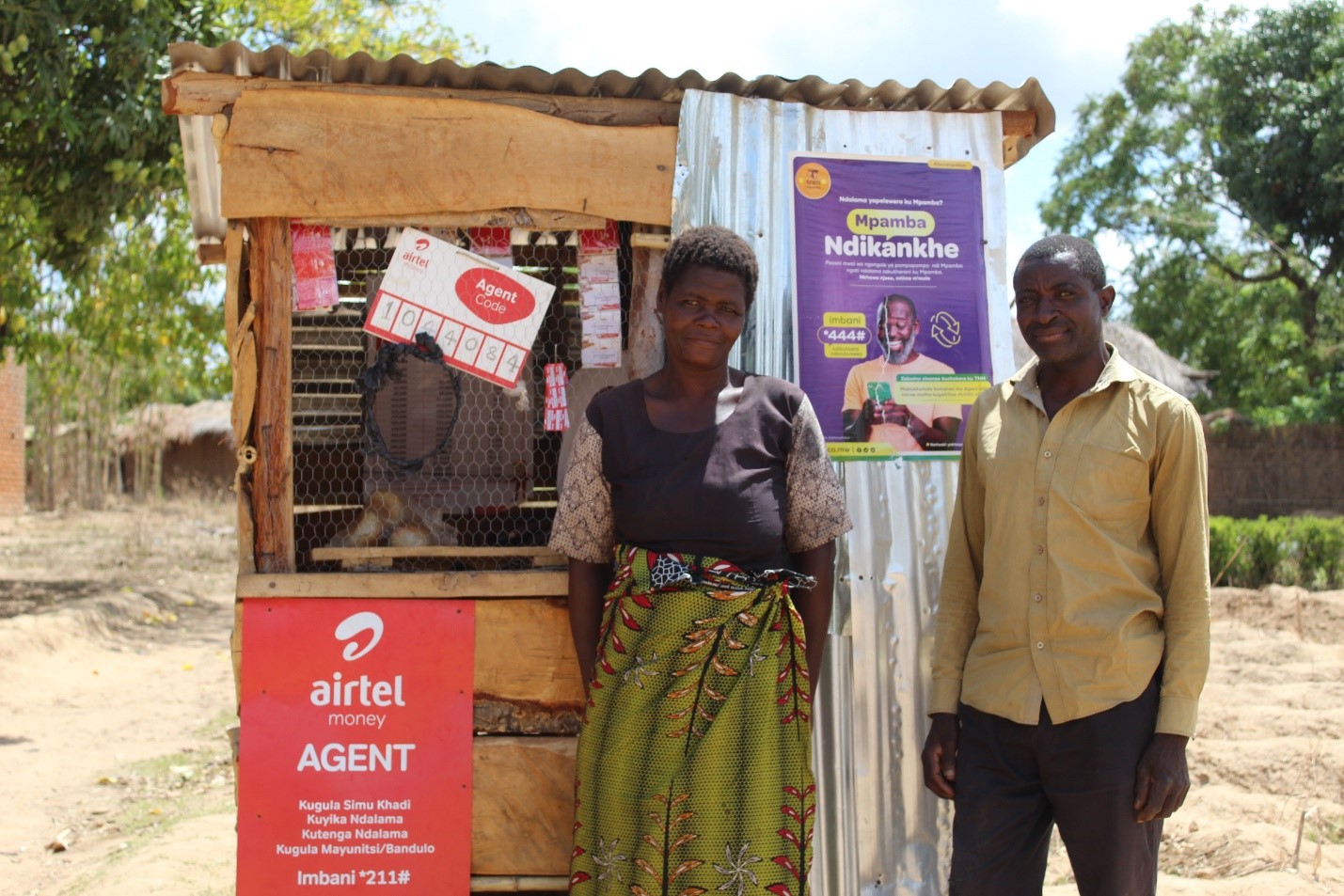
Lifting ultra-poor households in Dedza and Ntcheu out of extreme poverty through social protection, livelihood promotion, financial inclusion, and social empowerment — delivered by community-based caseworkers.
Learn more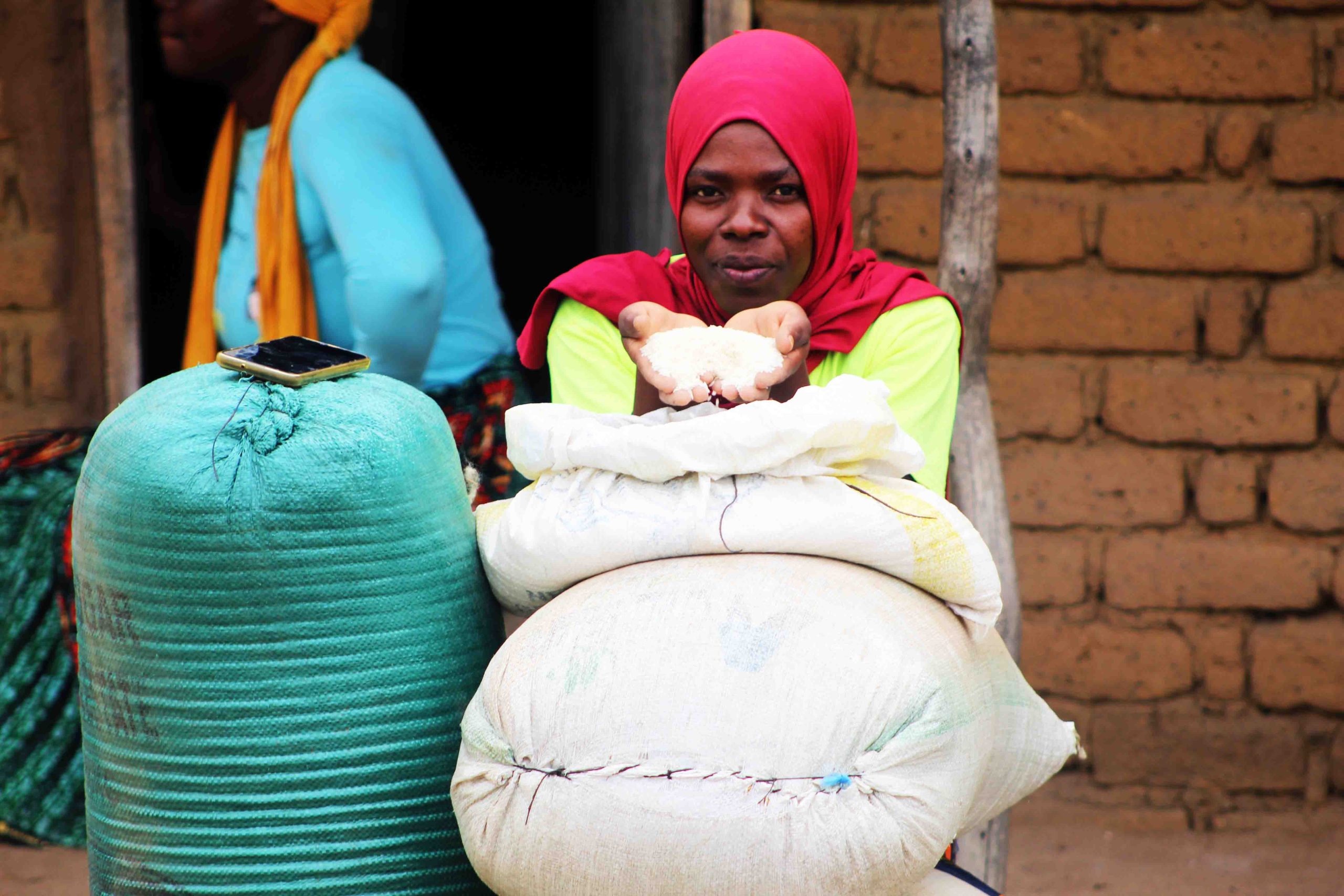
Food Systems
Resilient and Sustainable Livelihood Transformation Project (RESULT)
Developing effective and just food systems through the rice value chain, with a focus on women, youth, and vulnerable groups, to graduate households from subsistence into market-oriented enterprises.
Learn more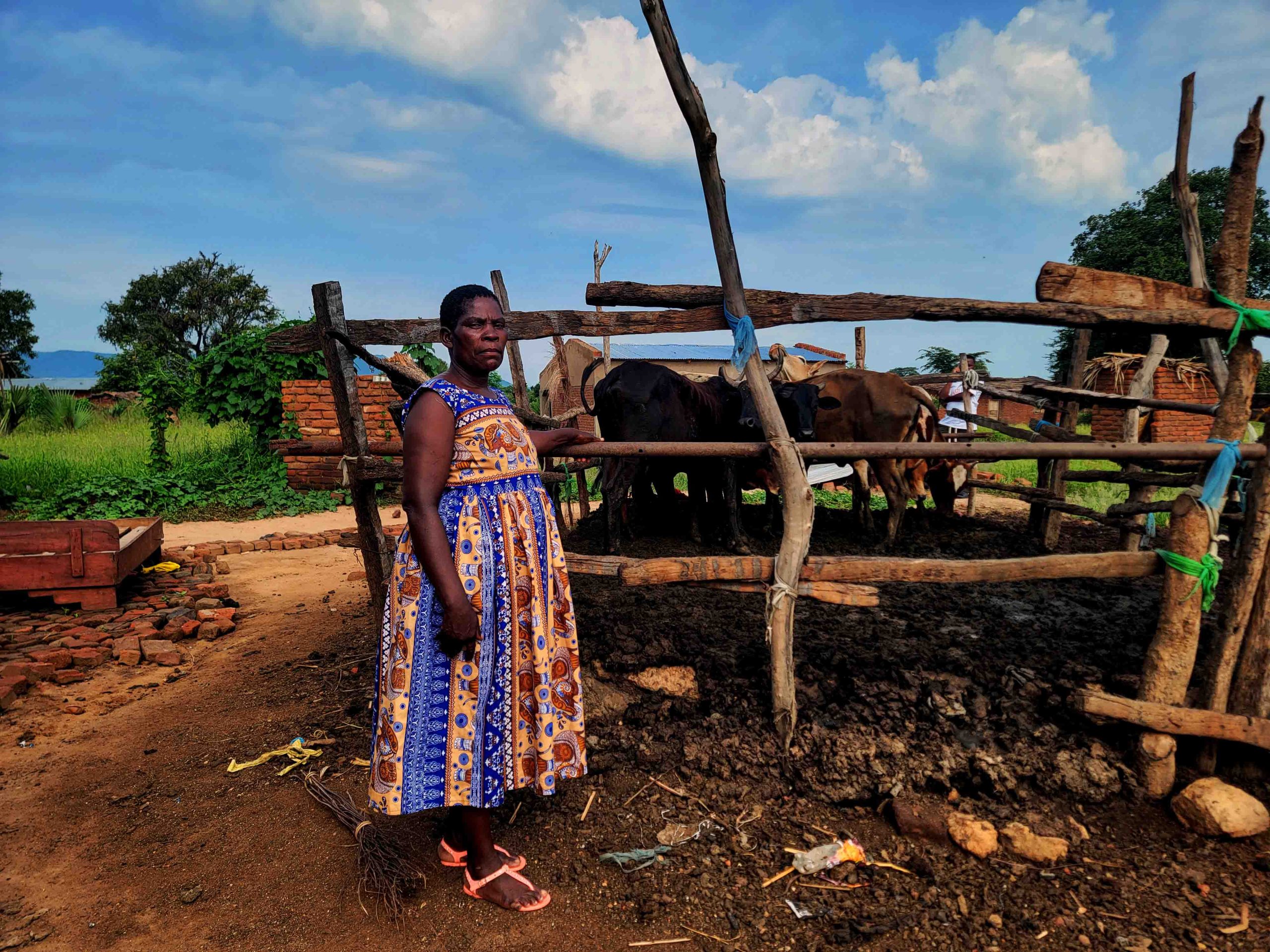
Gender & Cotton
Women Economic Empowerment in the Cotton Value Chain (WEECVC)
Increasing gender equality and empowering 9,600 women and youth in Malawi's cotton sector by improving access to productive resources, financial services, and decision-making in three districts.
Learn more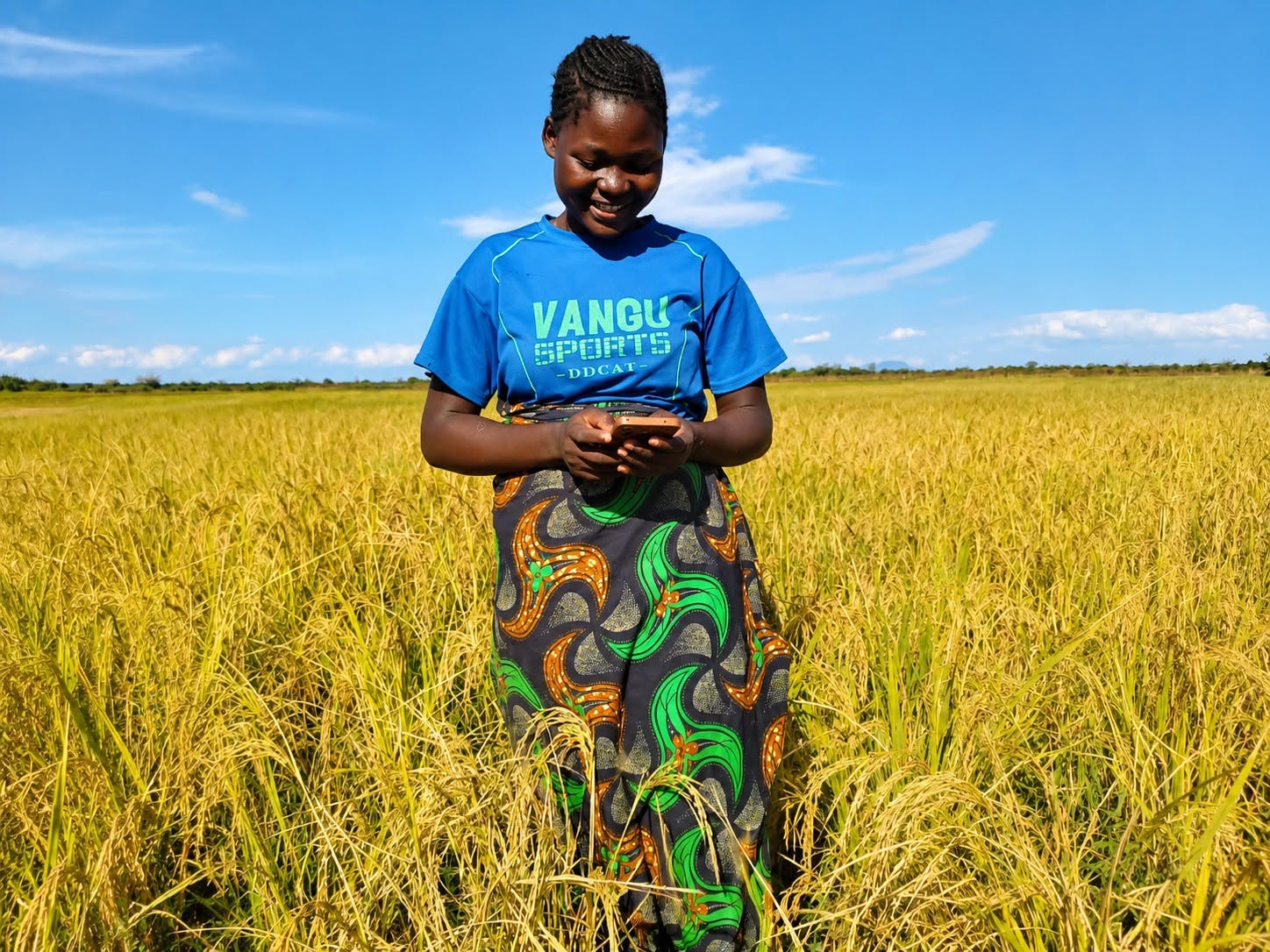
Climate Resilience
SMART Climate Project
Strengthening the rice value chain in Karonga and Nkhotakota through a consortium approach — improving climate resilience, cooperative management, marketing, and credit access for farmers.
Learn more
Agri Partnerships
Malawi Agricultural Partnership (MAP)
A NORAD-supported multi-stakeholder platform connecting the private sector and smallholder farmers across cotton, rice, legumes, and horticulture value chains to improve food security since 2009.
Learn more
Corporate Citizenship
African Approach to Corporate Citizenship
A continental programme building Africa's capacity for responsible corporate citizenship through research, training, advocacy, and cross-sector partnerships rooted in African values.
Learn more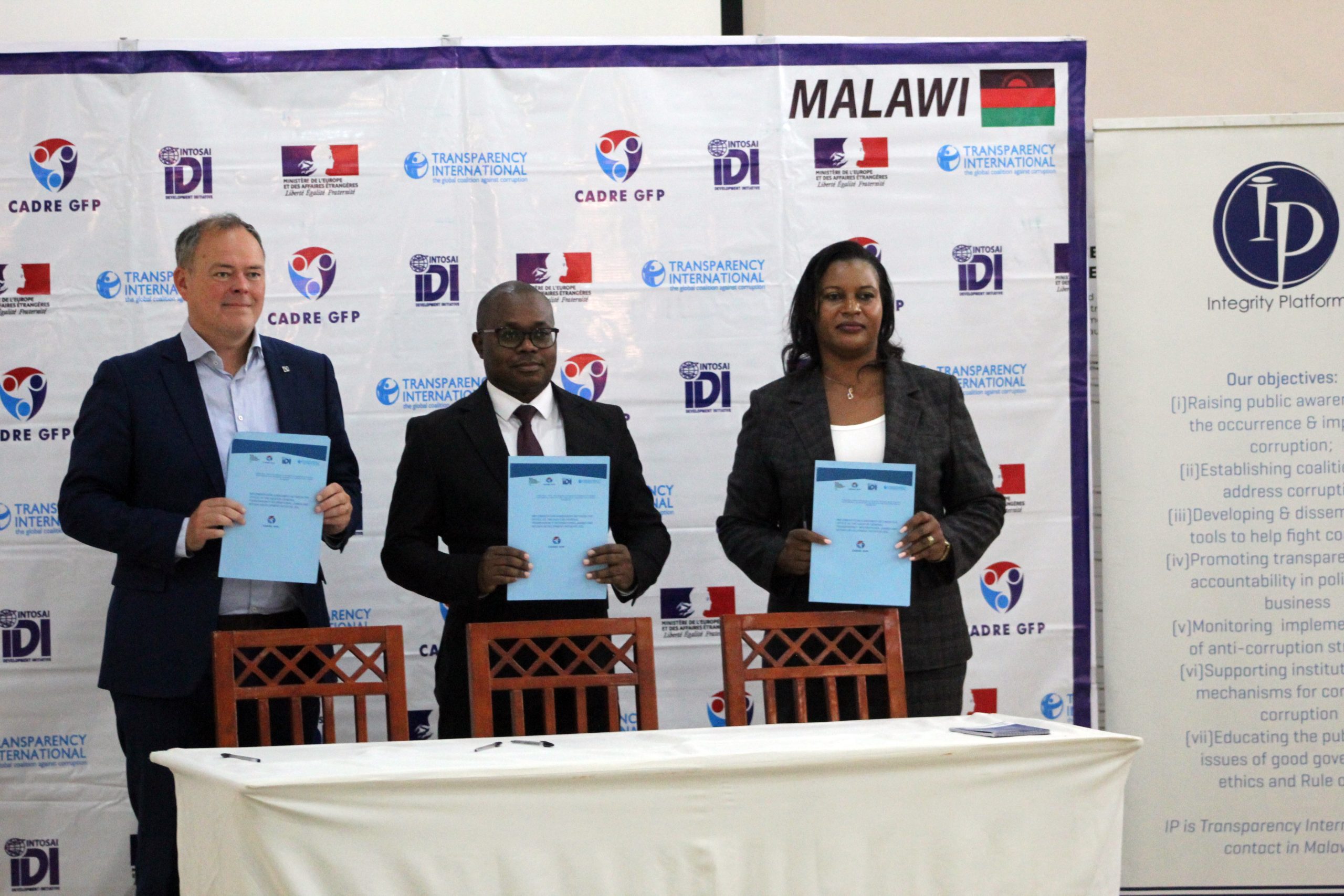
Governance
Governance & Advisory
Providing technical and strategic advisory services to public and private sector institutions, supporting good governance, accountability, and responsible business conduct in Malawi and the region.
Learn more
Women & Youth
Tingathe Spotlight Initiative for Women and Adolescent Girls
Transforming the lives of GBV survivors and adolescent girls through vocational training, enterprise development, psychosocial support, and market access in four districts.
Learn more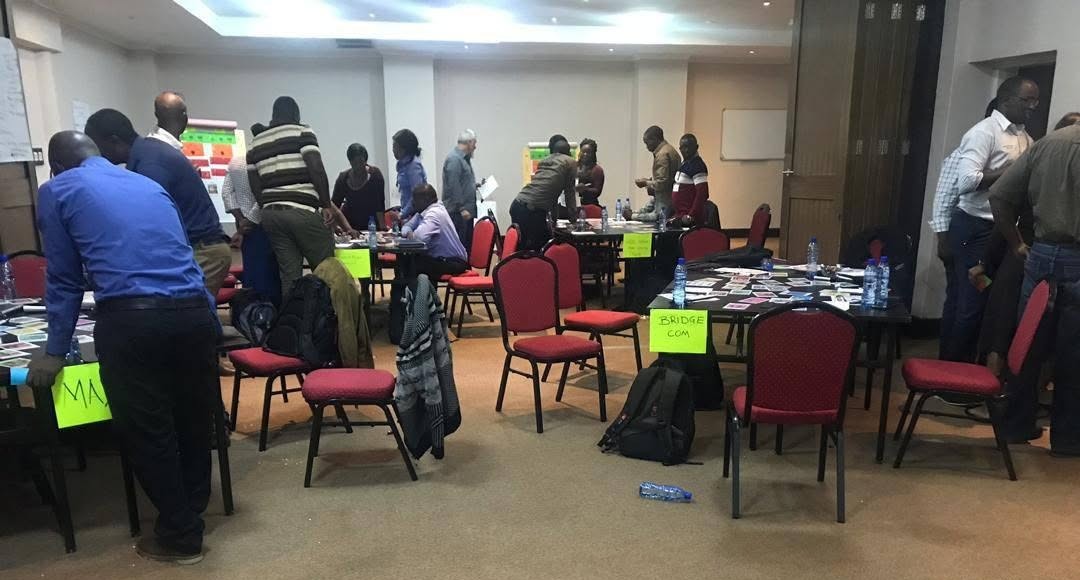
SME Development
Agribusiness Accelerate Initiative
Jointly implemented with Musika Zambia and supported by NORAD, this programme trains and mentors over 800 rural SME agrobusinesses to create last-mile market linkages for smallholder farmers.
Learn more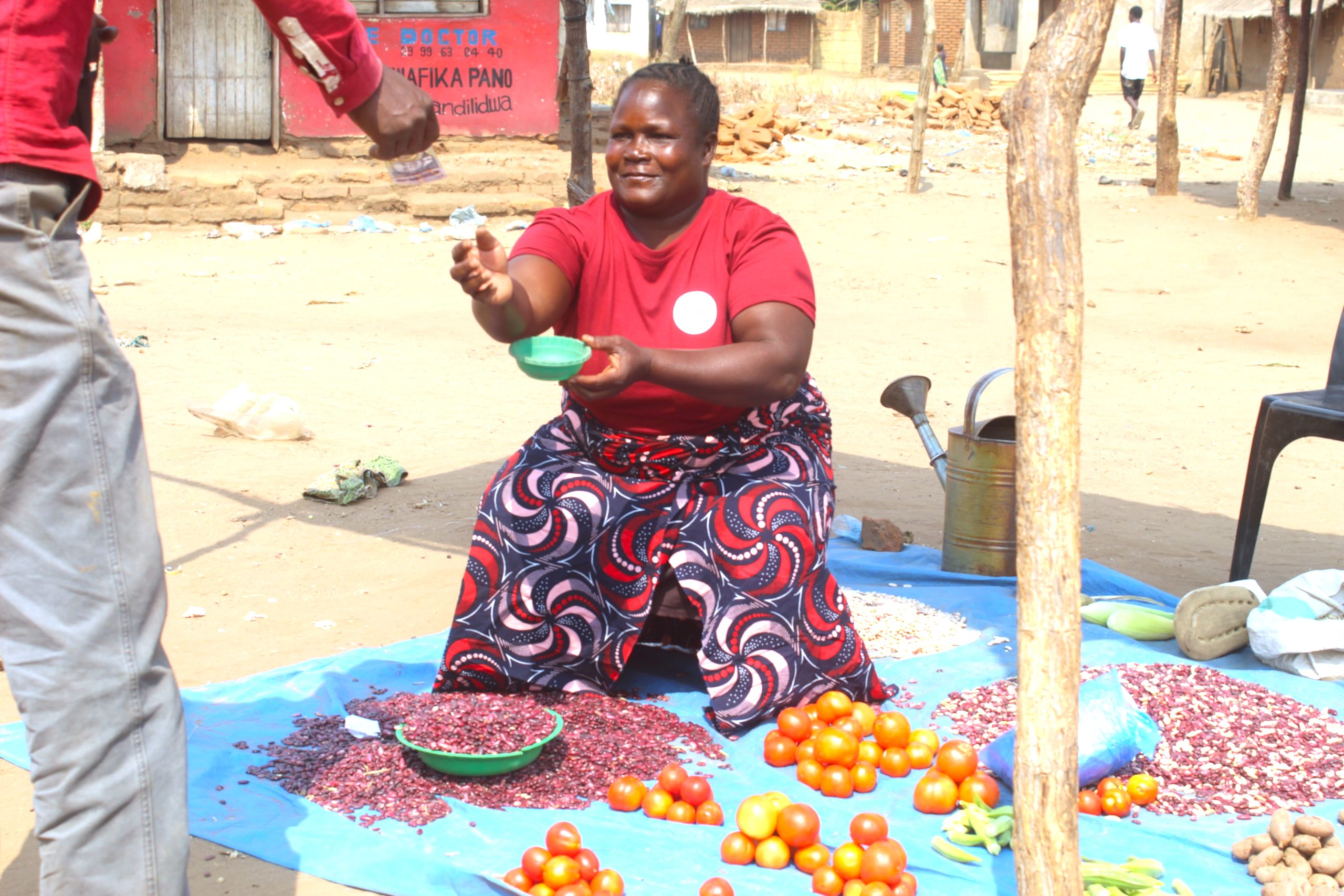
Market Access
Access to Markets
Connecting smallholder farmers and rural enterprises to structured input and output markets through brokerage, platform facilitation, and private-sector engagement to improve incomes and reduce trade barriers.
Learn more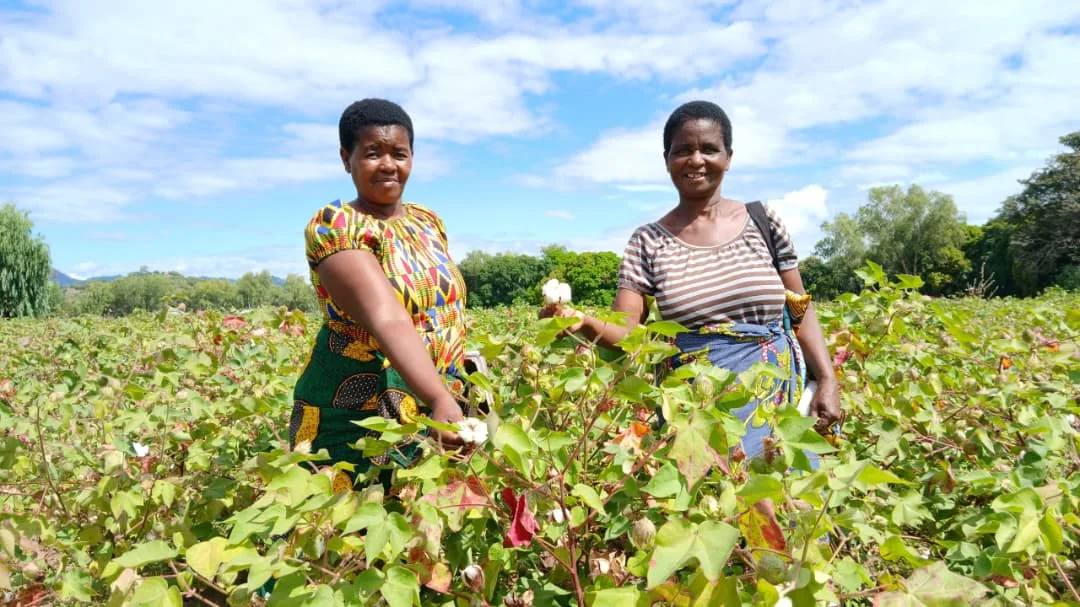
Cotton Sector
Sustainable Cotton for Women and Youth Empowerment (SCOWOYE)
Supported by We Effect, reaching 30,000+ smallholder farmers — including 13,550 women and 7,580 youth — through input access, market linkages, and policy advocacy in four cotton-growing districts.
Learn more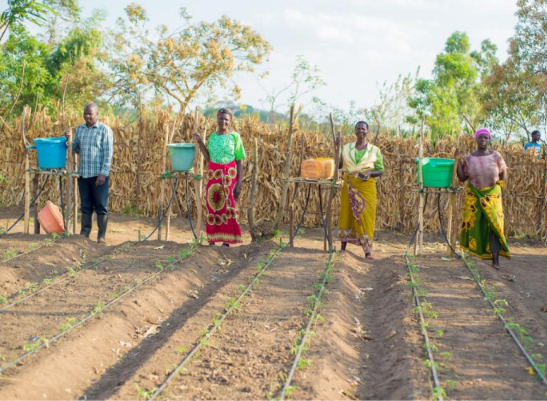
Horticulture
Commercial Agribusiness for Sustainable Horticulture (CASH)
Partnering with Norwegian Church Aid in Dowa, equipping 2,500 smallholder farmers with drip irrigation kits, quality seedlings, and market linkages to shift from subsistence to profitable commercial horticulture.
Learn more
Leadership
Our Board of Directors
Meet the experienced leaders guiding AICC Africa's strategic direction and commitment to sustainable development across the continent.

Prof. Roger Tsafack Nanfosso
Board Chairperson

Dyborn Chibonga
Board Director

Zithulele Cindi
Board Director

Wiskes Nkombedzi
Board Director
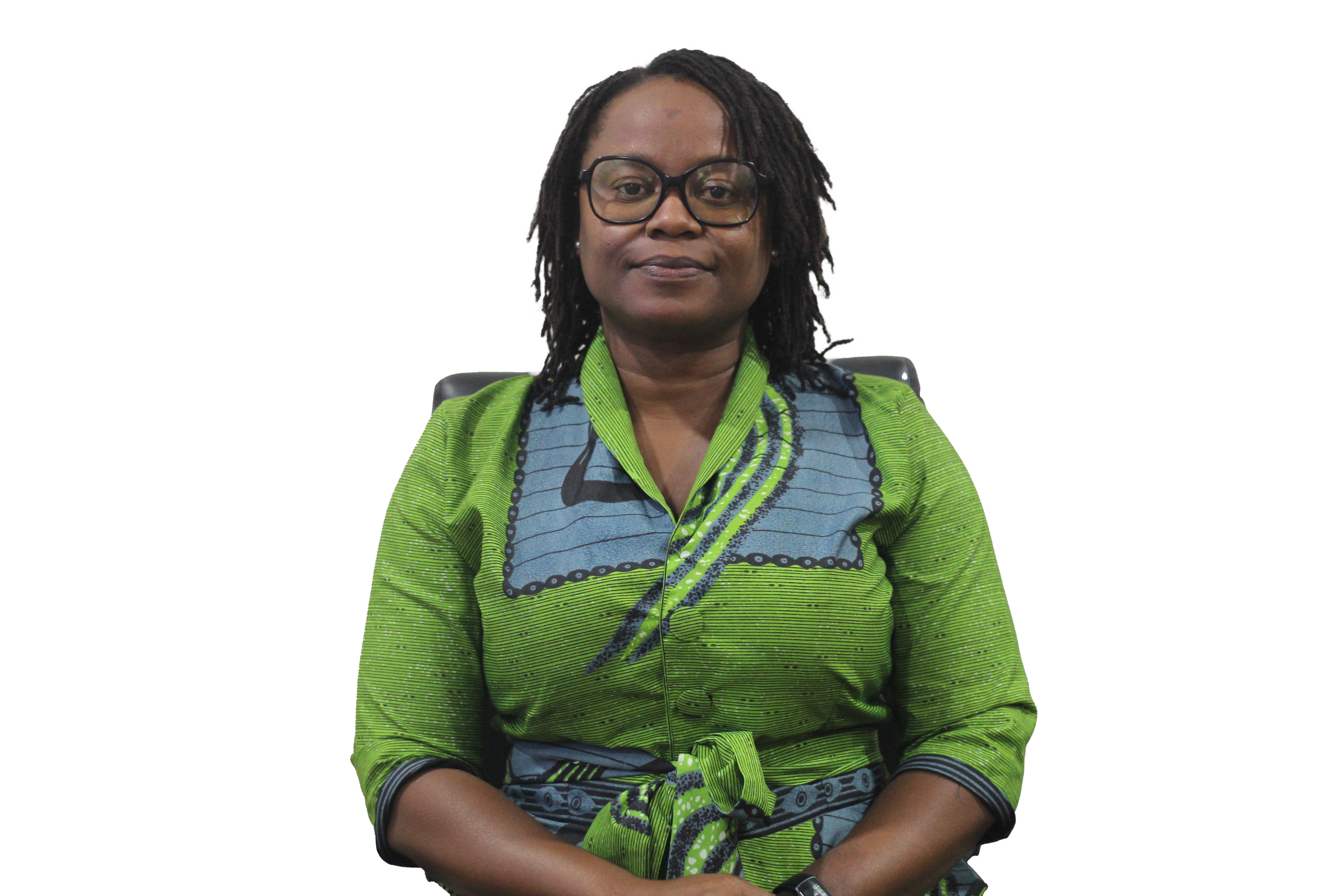
Ivy Chihana
Board Director

Mary Kambalu
Board Director
George Vilili
Board Director

Angela Ntikitira
Non-Executive Director
Prof. Roger Tsafack Nanfosso holds a PhD in Business Economics and a Doctorate of State ("Advanced PhD") in Economic Sciences, and was ranked first at the Aggregation Contest in Economics in 2001. He is a Knight of the French Academic Palms, Officer of Cameroon National Value Order, and Knight of CAMES Academic Palms Order. He is a Full Professor (Cameroon and CAMES) and Vice-Chancellor at the University of Dschang (Cameroon), and works as a lecturer and consultant in many international universities and institutions in Africa, Europe and Russia.
He is author or co-author of about twenty books and more than seventy articles published in Africa, Europe, America and China. He is Director of the Centre for Research in Applied Microeconomics (REMA), former Director of the Economic Policy Management (EPM) Training Program, and Member of the American Economic Association (AEA) and the Cameroonian Academy of Sciences (CAS).
He is General Secretary of the Network of Universities and Research Institutions of Central Africa (REESIRAC) and of the International Association of French Speaking Economists (AIELF), and Vice-Chair of the Francophone Association of Development Studies (AFED). His areas of expertise include economics, microeconomics, capacity building, corporate management and economic policy management.
Dyborn Chibonga has been a Board Director of the African Institute of Corporate Citizenship (AICC) since April 2010. Mr. Chibonga is the Regional Head for Southern Africa at the Alliance for a Green Revolution in Africa (AGRA), an alliance aimed at catalysing and sustaining inclusive agriculture transformation for smallholder farmers in Africa.
In this role he supports teams in Malawi, Mozambique and Zambia to deliver on their Country Operating Plans. He was engaged in October 2017 and relocated from Malawi to Mozambique in October 2018.
Zithulele Cindi is an activist, trade unionist, and currently Executive Director at Unity. He brings extensive experience in labour relations, civil society engagement, and social justice advocacy, contributing valuable strategic insight to the AICC Africa Board.
Wiskes Dafter Gray Nkombezi joined as Board Director of the African Institute of Corporate Citizenship (AICC) in 2019. He is currently working with the Ministry of Industry, Trade and Tourism as Director of SMEs and Cooperatives, where he provides leadership to the Department in terms of work plans and budgets, policy, strategy and vision.
His expertise in SME development and cooperative management brings a critical lens on private sector development and inclusive economic growth to the AICC Africa Board.
Ivy is a lawyer by profession and provides Orant Charities Africa with legal advice and direction to ensure corporate compliance and that programme implementation is in line with both international and Malawian laws. Before becoming a lawyer, Ivy was a secondary school teacher, and her 7 years of experience in teaching helps with education programme design and general programme implementation. Ivy currently serves as Chairperson for Orant Charities Africa.
Ivy holds a Bachelor's Degree of Laws (Hons) and a degree in Education Humanities from the University of Malawi, Chancellor College. She is also pursuing an Executive Masters in Managing Peace and Security in Africa at the University of Addis Ababa, Institute of Peace and Security Studies.
Currently she is working with the Ministry of Home Affairs as Senior Legal Advisor, where she works as a reviewer and Refugee Status Determination Supervisor, assisting unaccompanied minors, women and other vulnerable groups in the Dzaleka refugee camp. With close to 6 years of working experience, Ivy is an innovative, dynamic and versatile leader who leads by example and has great passion to empower women in Malawi.
Mary Kambalu is an anti-corruption expert with 15 years of work experience in conducting field investigations of financial and corruption crimes and violations. Her work has included participating in a wide variety of case investigations involving complex financial analysis, and managing investigative assignments and projects.
Her greatest achievement has been working on complex financial cases that led to successful convictions. Mary brings a strong governance and accountability perspective to the AICC Africa Board, ensuring the organisation upholds the highest standards of financial integrity and transparency.
George Vilili is a multi-faceted Development and Monitoring & Evaluation Consultant endowed with more than ten years of experience in strategic management, project design and implementation, monitoring, evaluation and management, financial and programme management, rights-based training and mainstreaming, advocacy and networking, and social research and data management.
His areas of expertise span Health including HIV and AIDS, Sexual and Reproductive Health and Livelihood Programming, Workshop Facilitation, Youth and Child Development, and Gender Programming and Mainstreaming. George brings a rich cross-sector background that strengthens AICC Africa's commitment to evidence-based, inclusive programming.
Angella Ntikitira serves as AICC Africa's Non-Executive Director, bringing independent oversight and strategic guidance to the organisation's Board. Her role ensures that AICC Africa's governance structures remain robust and that the interests of all stakeholders are effectively represented in the organisation's decision-making processes.
Watch & Learn
View All Videos
Videos & Media
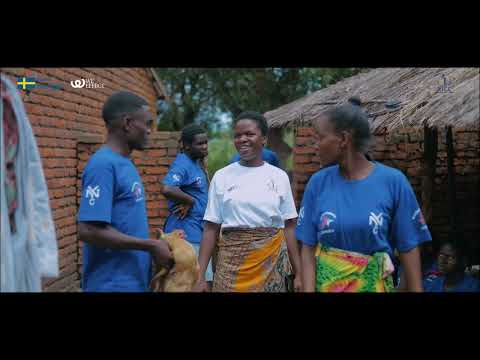
AICC Africa
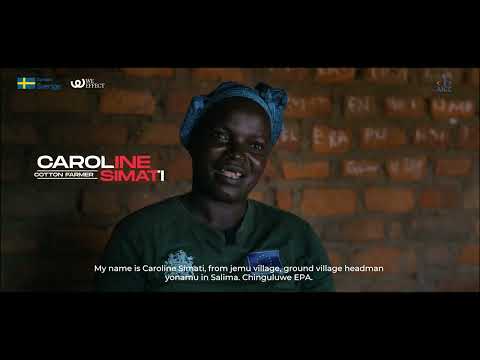
AICC Africa
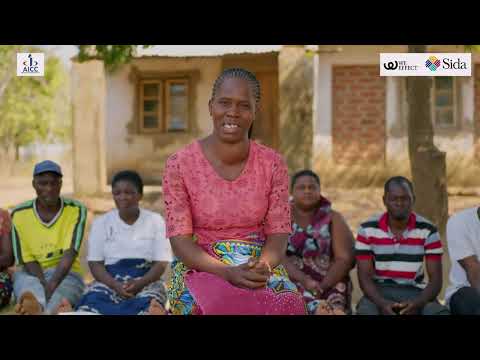
AICC Africa
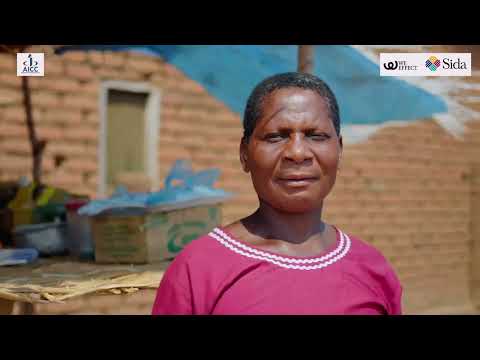
AICC Africa
Collaboration & Trust
Our Partners & Funders
We work alongside governments, private sector companies, development organisations, and civil society partners across Malawi and the African continent.




18+
Partner Organisations
60,000+
Beneficiaries
20+
Years of Collaboration
12+
Active Programmes
Interested in partnering with AICC Africa? We welcome new partnerships that advance our mission of building resilient communities and sustainable businesses.
Become a Partner